How to choose an Android phone in 2026
How to choose an Android phone in 2026
Buying an Android phone in 2026 is less about finding the biggest number on the box and more about choosing the device that will still feel reliable after two or three years. A great phone should have strong updates, steady battery life, enough storage, a good display, a dependable camera, and proper Google certification.
Here is a practical checklist before you buy.
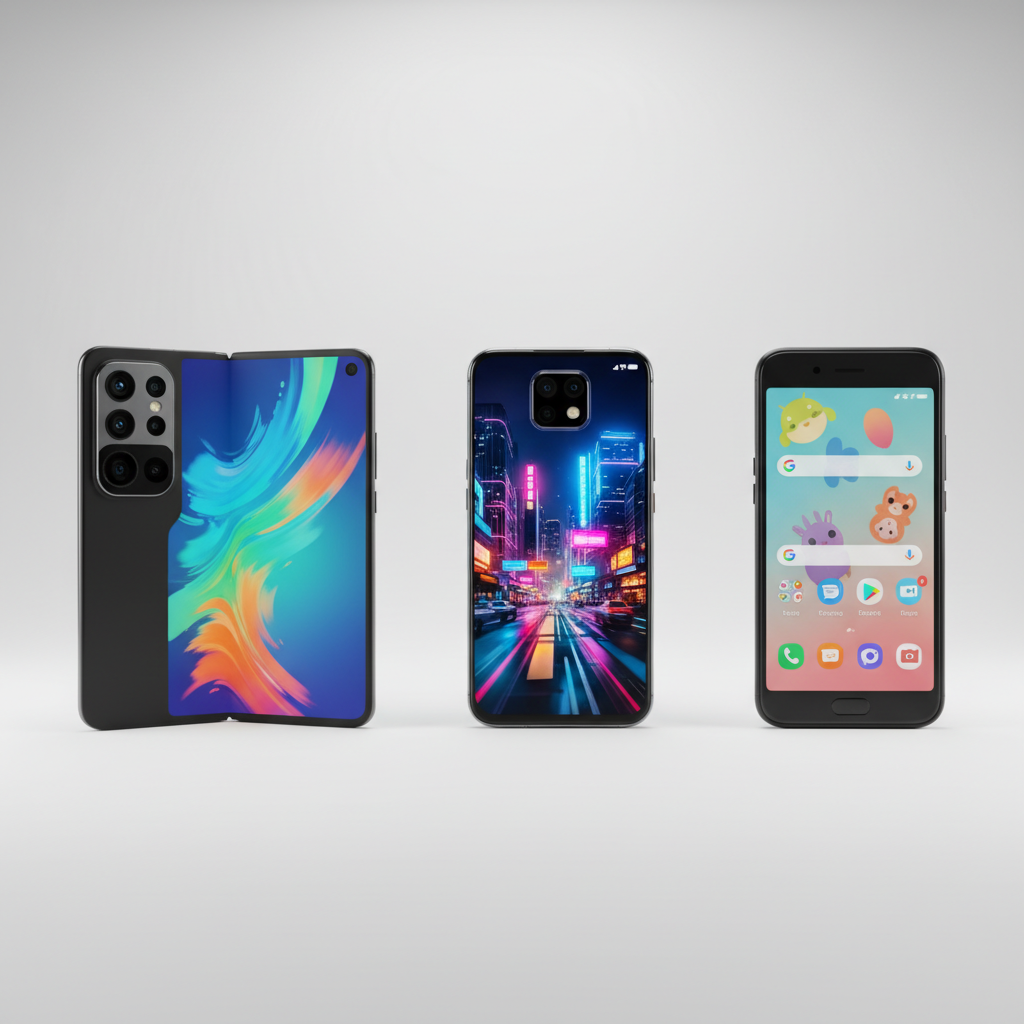
Android phone buying guide 2026
1. Software updates
The update policy should be one of the first things you check. A cheaper phone can become expensive if it stops receiving security patches too soon. Look for clear promises from the manufacturer about Android version updates and security updates.
If two phones have similar hardware, choose the one with the better update commitment.
2. Play Protect certification
Before buying from an unfamiliar store or marketplace, check that the device is Play Protect certified. Google explains that certified devices have passed Android compatibility testing and are eligible to include licensed Google apps like Google Play Store.
This matters for app compatibility, security expectations, system updates, and backup reliability. If a device is not certified, Google warns that apps and features may not work correctly.
3. Storage
For light users, 128 GB can still be enough. For most people, 256 GB is the safer choice in 2026. Games, videos, offline maps, messaging media, and high-resolution photos can fill storage faster than expected.
If the phone has no microSD slot, buy more storage than you think you need. It is usually cheaper than replacing the phone early.
4. Battery and charging
Battery life is not only about milliamp-hours. Screen brightness, processor efficiency, software optimization, network signal, and background apps all matter. Read long-term reviews when possible, not only launch-day impressions.
Fast charging is useful, but heat matters too. If you plan to keep the phone for years, steady battery health is more important than the highest charging number.
5. Display
A good display affects everything: reading, maps, photos, video, gaming, and outdoor visibility. Look for brightness, refresh rate, resolution, and color quality. A 120 Hz display feels smooth, but adaptive refresh rate is better for battery than forcing the highest rate all the time.
6. Camera consistency
Do not judge a phone only by megapixels. Look for real sample photos: indoor shots, moving subjects, night photos, ultrawide images, selfies, and video stabilization. The best camera is the one that performs consistently in ordinary situations.
If photography is your priority, read our guide to smartphones for photography.
7. Durability and repair
Check water resistance, screen protection, case availability, and repair options. A phone with easy-to-find cases, screen protectors, and replacement parts is easier to keep in good condition.
Also consider size. A phone that is too large for your hand may be powerful, but it will be annoying every day.
8. Apps and ecosystem
If you use a smartwatch, earbuds, tablet, or laptop, check how well the phone fits your current ecosystem. Android is flexible, but some features work best when devices come from the same brand.
Final buying checklist
- Clear update policy
- Play Protect certification
- At least 128 GB storage, preferably 256 GB
- Reliable battery life
- Bright display with adaptive refresh rate
- Camera quality in real conditions
- Good case and repair options
- Comfortable size and weight
Final recommendation
Choose the phone that solves your daily needs, not the one with the loudest spec sheet. In 2026, long-term software support, storage, battery health, and certification are often more important than one headline feature.